
Empire Wind Lawsuit Puts the Future of Clean Energy on Long Island at Risk
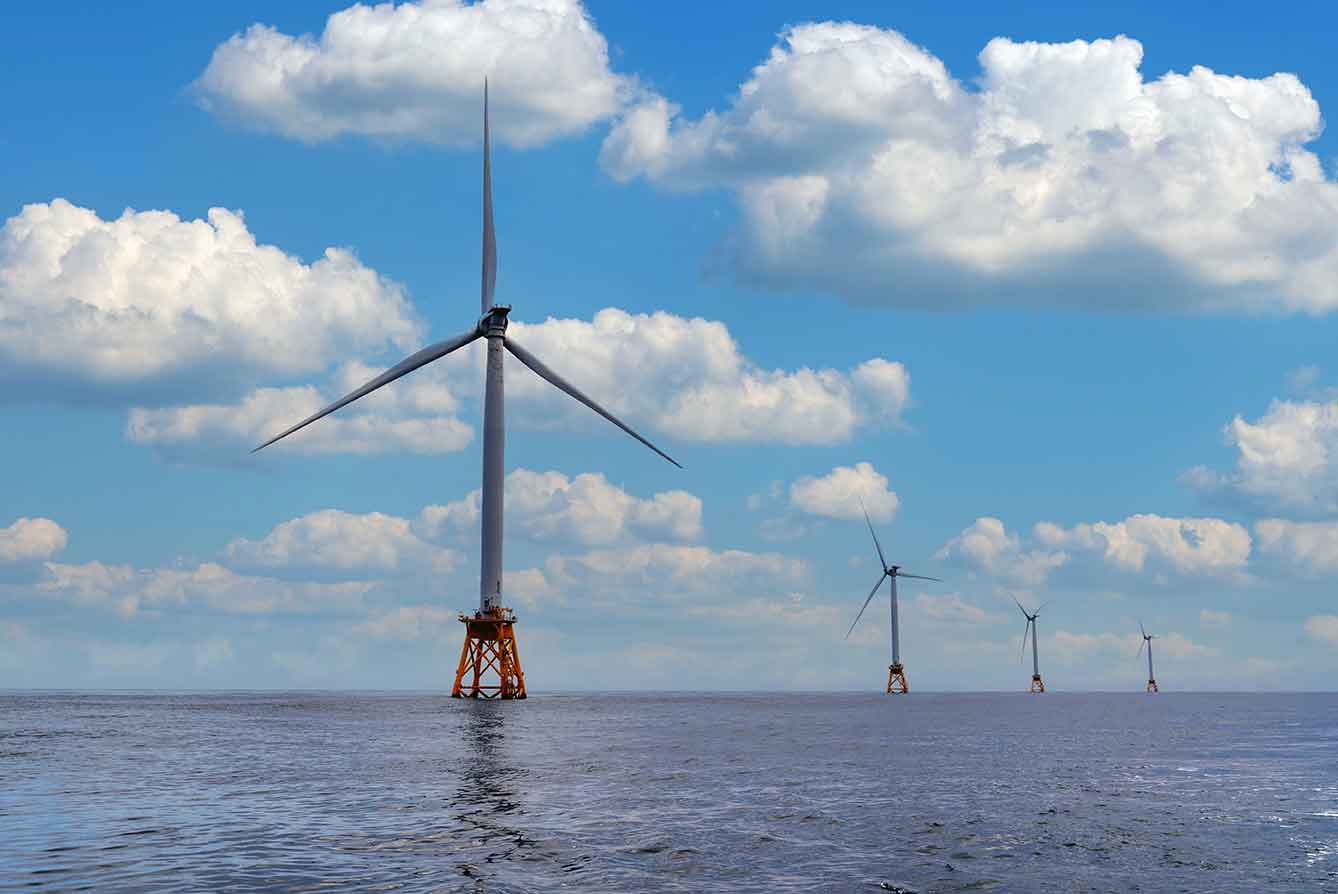
A wind power project, far off the coast of the South Shore, was set supply renewable energy to half a million homes by 2027. Last week, the Trump Administration halted the wind farm, flagging national security concerns as the reason. According to Equinor, the company behind the Empire Wind project, the wind farm was already 60% complete since its inception in 2017.
Several politicians have vehemently criticized this move under the Trump administration: “It is a direct transfer of money from people’s pocketbooks to the big fossil fuel donors who put hundreds of millions of dollars into Trump’s campaign,” Senator Sheldon Whitehouse from Rhode Island said.
The decision has intensified debate over the future of Long Island offshore wind, a cornerstone of the region’s clean energy strategy and a critical component of its environmental and economic resilience.
Second Suspension Raises Political and Economic Stakes
This recent halt marks the second suspension of this wind project. The Department of the Interior placed a prior stop-work order in April of 2025. Secretary Doug Burgum claimed at the time that the Biden administration rushed the project to obtain the necessary approvals. Through bipartisan efforts between Governor Hochul and the federal government, the two parties compromised by reviving a canceled gas pipeline. A month later, the stop-work order was lifted.
Wind turbines provide abundant, clean, renewable energy. Given Long Island’s unique positionality as a densely populated, coastal ecosystem, these investments in green energy are in high demand. Climate scientists across the board agree that the impacts of climate change in New York are no longer a distant future projection. Instead, the impacts are current and tangible.
Why Offshore Wind Matters for Long Island
On Long Island, these impacts look like coastal erosion, intensified storms, rising temperatures, and collapsing fisheries, to name a few. Offshore wind energy generates alternatives to fossil fuels, supporting the goal of Governor Kathy Hochul’s administration to significantly reduce and eventually eliminate greenhouse gas emissions in New York.
The installation of numerous wind turbines in the Atlantic Ocean has been in the works since 2017, under the first Trump Administration. These set-to-be 147 Long Island offshore wind turbines would spin and produce massive amounts of electricity, delivered to land through underwater cables.
Economic Benefits and Grid Reliability
Not only do these offshore wind projects generate electricity, but they also create a higher and more stable energy output, stabilize long-term energy costs, and strengthen a diversified grid (NREL, 2023). Offshore wind costs have dropped over 60% since 2010, making the cost competitive with fossil fuels and other renewables.
Moreover, this project created abundant, meaningful union jobs. By advancing offshore development and revitalizing the South Brooklyn Marine Terminal, the Empire Wind Project has created nearly 4,000 jobs.
Empire Offshore Wind LLC has filed a lawsuit to allow its construction to continue on Long Island, seeking an injunction during litigation. The project underwent years of rigorous research and licensing, including approvals through bidding and extensive environmental reviews.
Equinor said in a statement that they have worked closely with federal officials on national security reviews, including the Department of War, following national security regulations. However, the Trump administration pointed to complaints from the Pentagon about radar interference from the turbines’ blades. The Department of the Interior cited classified reports about radar interference called “clutter,” which obscures moving adversarial targets and generates false targets close to the wind projects.
To critics and climate deniers alike, wind turbines remain a controversial source of energy. While myths about wind turbines circulate on the internet, like wind turbines kill whales and birds, these ideas have been dispelled by the Atlantic Marine Conservation Society, government and scientific bodies, the National Oceanic and Atmospheric Administration (NOAA), and the Bureau of Ocean Energy Management (BOEM).
As legal proceedings move forward, the outcome of the Empire Wind project will play a significant role in shaping Long Island’s energy future, influencing regional economic development, grid reliability, and the broader transition toward resilient, low-carbon power sources.
FAQ
What is the Empire Wind project?
Empire Wind is an offshore wind energy project located off Long Island’s South Shore, designed to deliver renewable electricity to approximately 500,000 homes through underwater transmission cables.
Why was the project halted?
The federal government paused construction, citing national security concerns, specifically potential radar interference from turbine blades that could affect military and aviation systems.
How far along was construction?
According to Equinor, the project was about 60% complete when the most recent stop-work order was issued.
What are the potential benefits of offshore wind for Long Island?
Offshore wind can provide clean energy, support grid reliability, stabilize long-term energy costs, and reduce greenhouse gas emissions while creating local jobs.
Are environmental concerns being addressed?
The project underwent extensive environmental reviews and continues to be evaluated by federal and scientific agencies to assess impacts on marine life and ecosystems.
What happens next?
The project’s future depends on ongoing legal proceedings, regulatory reviews, and federal decisions regarding national security and energy policy.
popular news & articles

Improving Public Transportation: Connecting Communities and Opportunities Public transportation serves […]

The Impact of Rising Property Taxes on Long Island’s Affordable […]

Suffolk County, with its picturesque landscapes and vibrant communities, offers […]

How Access to Technology Can Level the Playing Field for […]



news via inbox
Stay Connected

The Honorable Paul J. Tonna is a distinguished public servant, community advocate, and seasoned leader with a career marked by dedication to environmental sustainability, social equity, and community development. Serving as a Suffolk County Legislator for twelve years, including three years as Presiding Officer, Tonna played a pivotal role in advancing public health, environmental conservation, and workforce housing initiatives… Read More
Learn more about Paul Tonna at his website PaulTonna.com
Related Articles
Paul Tonna serves as Molloy College’s Executive Director for The Energeia Partnership, a leadership academy dedicated to identifying and addressing the serious …
The Honorable Paul Tonna serves as Vice Chairman and Executive Vice President of Corporate Affairs for American Health Group.
Paul Tonna joined the South Huntington Water District as a Commissioner in March, 2006, bringing with him a diverse background including experience in …
Mr. Paul Tonna is a former healthcare executive, elected official, and university adjunct professor. Paul currently serves as executive director of Molloy College’s leadership academy, The Energeia Partnership, Suffolk County…
Paul Tonna, Managing Partner, Fun Facts, Deborah Young, Director of Operations & Finance, Fun Facts, Patricia Miller, Partner, Real Estate Development.
Paul J. Tonna – Public Service Leader and AERTC Advisory Board Member | Championing Sustainable Energy Solutions and Community Development.
